Stainless Steel Bollard Cover Care: What Facility Managers Should Know
Practical Maintenance Guide for Facility Managers, Stores, and Municipal Sites
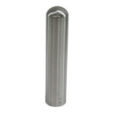
Stainless steel bollards are primarily installed for one reason: long-term, low-maintenance protection with an upscale, professional appearance. Whether they’re guarding storefronts, fueling stations, pedestrian areas, or public facilities, the clean polished finish is part of why facility managers pick stainless steel over powder coated steel.
Stainless steel needs basic care. Road salt, fingerprints, smudges, mineral deposits, and routine weathering can dull the shine over time. The good news: it’s easy to keep they looking new with an easy cleaning routine, stainless steel bollards and stainless bollard covers can stay bright, durable, and corrosion-resistant for decades.
Below is a complete year-round maintenance guide optimized for real-world facility teams who need fast, actionable steps.
Year-Round Stainless Steel Care Routine
This routine is designed to be quick, cost-effective, and easy for any facility team to implement. You don’t need specialty tools, expensive chemicals, or professional equipment. A few minutes of attention each month and some basic cleaners does keeps them looking clean. With a consistent schedule, your stainless steel bollard covers will maintain their shine and resist long-term wear without adding extra labor to your maintenance budget.
1. Monthly Cleaning: Keep the Shine
Use:
Mild dish soap
Warm water
Microfiber cloth or soft sponge
A simple monthly wipe-down prevents buildup.
Drying is important: it prevents water spots and mineral streaks.
Steps:
Mix a small amount of dish soap with warm water.
Wipe down the bollard surface using a soft cloth.
Rinse with clean water.
Dry completely with a microfiber towel.
2. Quarterly Deep Clean: Remove Stains & Tough Buildup
Use:
White vinegar (great for mineral deposits)
Glass cleaner (for fingerprints and light smudges)
Stainless steel cleaner/polish (for protection)
Pro tip: Avoid abrasive pads or steel wool: these scratch the finish and remove the protective layer that prevents corrosion.
Steps:
Apply vinegar or stainless steel cleaner.
Wipe with a microfiber cloth in the direction of the grain.
Rinse and dry.
Finish with a stainless steel polish to restore shine and add a protective layer.
3. Winter Salt Removal: Combat Corrosive De-icers
Use:
Warm water
Mild detergent
Soft cloth
Optional: silicone-based stainless polish
Steps:
Rinse bollards with warm water to remove surface salt.
Wash with detergent and rinse.
Dry thoroughly.
Apply stainless polish for added winter protection.
Perform this every 2–3 weeks during heavy salting periods.
4. Annual Inspection: Look for Surface Damage
Once a year, usually in the spring after typical winter salt exposure: set aside a few minutes for a structured inspection of your stainless steel bollards & covers. You only need to do a quick review and it helps catch small issues before they can become expensive problems.
Check for Scratches and Surface Wear - Light contact scratches can be considered normal wear. Bollards take abuse from carts, bags, equipment, and other routine contact. Usually it only affects the surface and light scratches often be buffed out. However, deeper scratches that cut across the surface or appear darker may require professional attention. Scratches expose the surface to contaminants, which can accelerate oxidation if left untreated.
Look Our for Pitting, Stains, or Discoloration - Stainless steel is corrosion-resistant, but not rust-proof. Harsh environments including: load salt, fertilizers, de-icers, and other chemicals can still cause “tea staining” or small pits.
Inspect the entire circumference of the bollard, especially the bottom 6–12 inches where water and debris accumulate. Early detection allows you to clean, neutralize, or polish the material before any real corrosion sets in.
Confirm All Anchors, Fasteners, and Covers Are Secure - If your site uses stainless steel bollard covers, make sure the internal foam spacer, locking hardware, or set screws are tight. For exposed stainless bollards, verify that base plates or embedded bollards show no wobble or looseness. Loose hardware can allow moisture intrusion and may compromise the bollard’s stability over time.
Stainless steel bollard covers should look shiny, not dull and coated in dust.